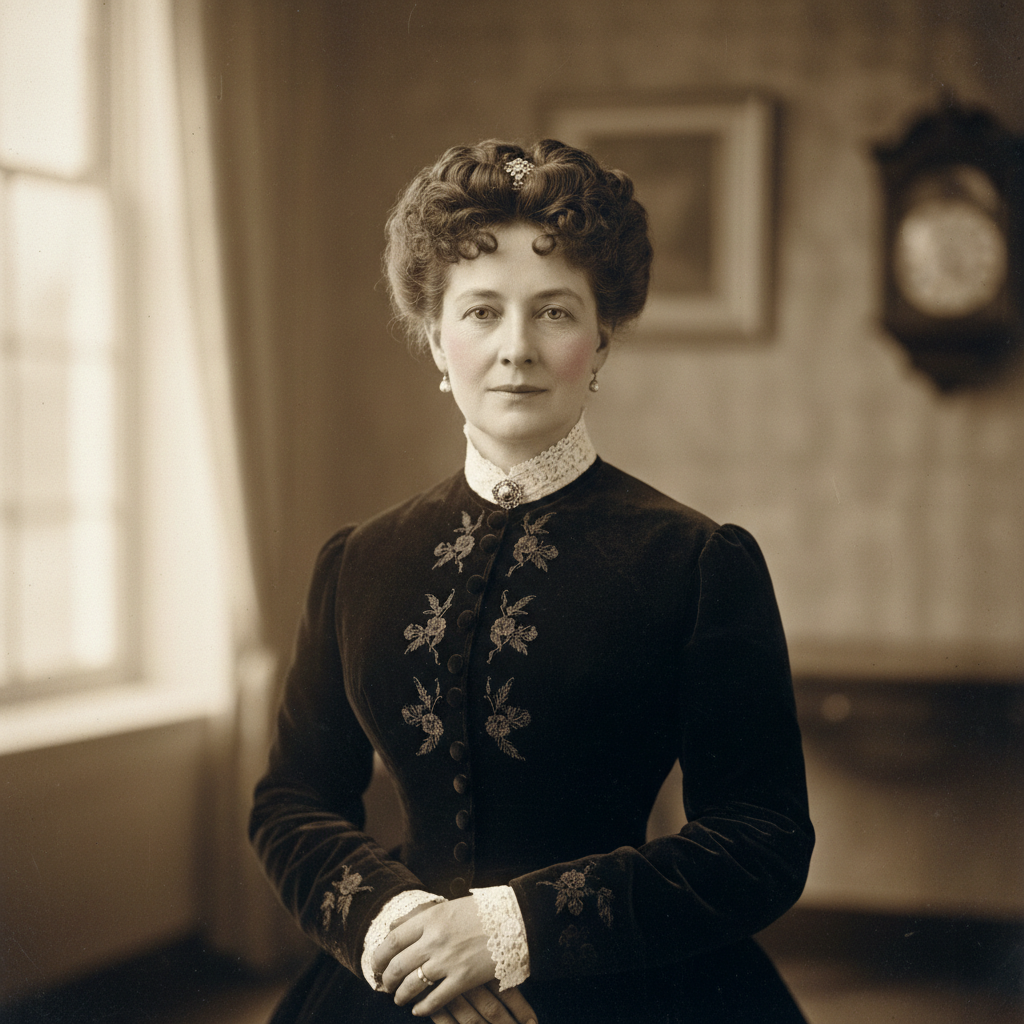
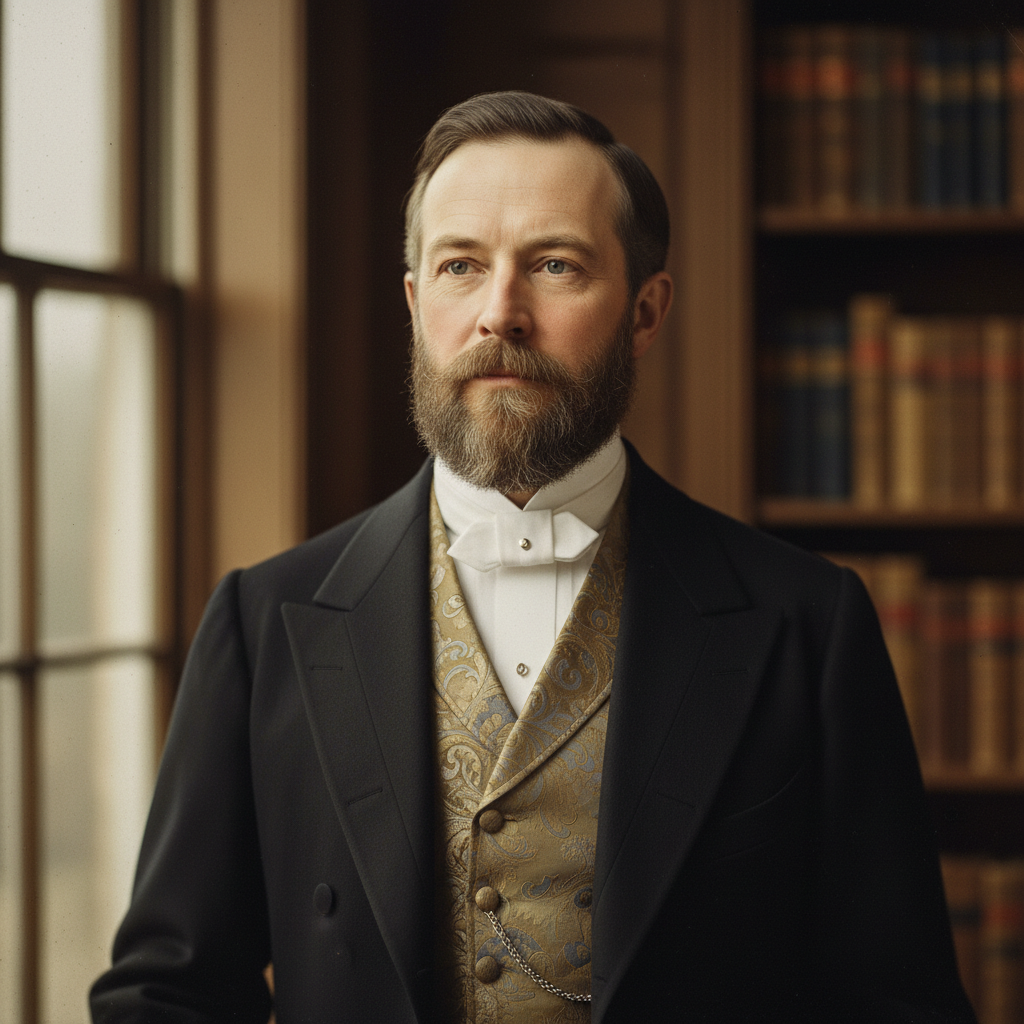
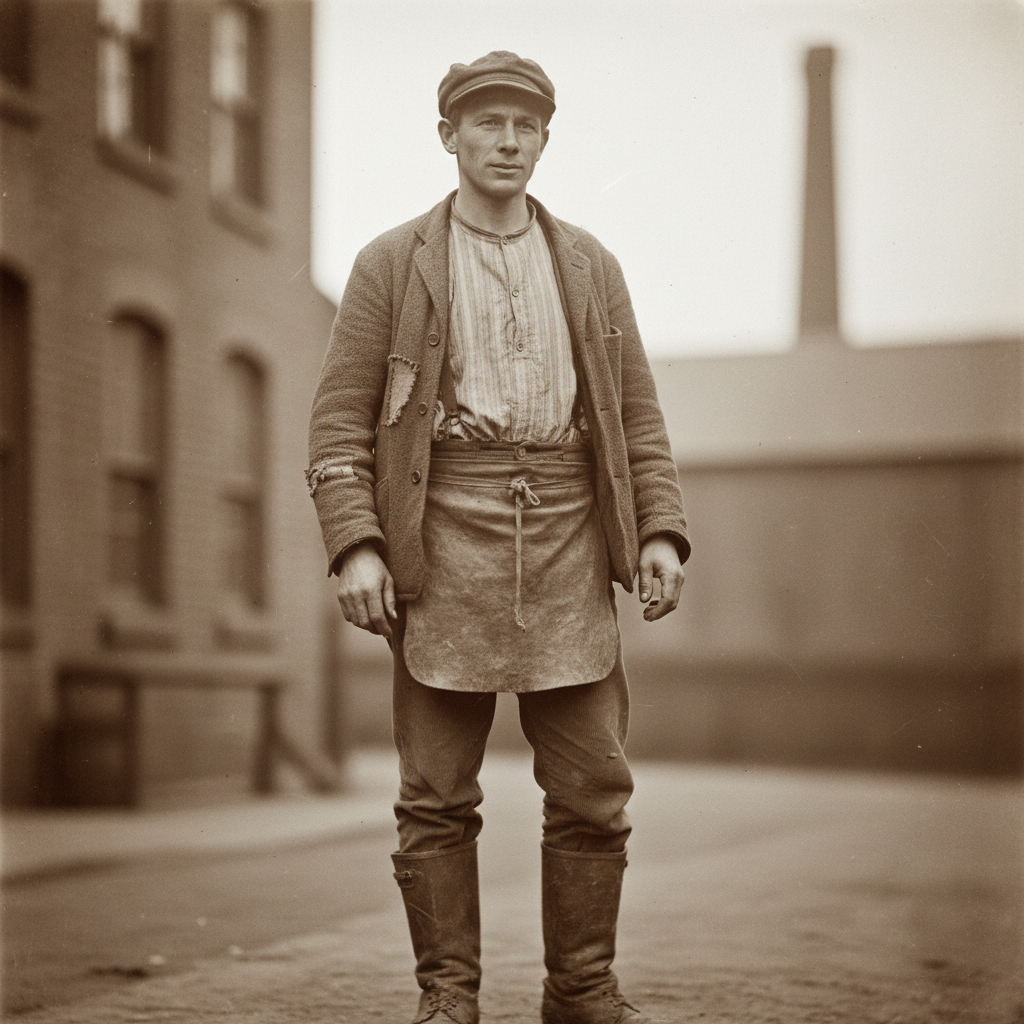
"History forgottheir names.We went looking."
The scullery maids, the canal navvies, the mill children.
Their stories were never granted ink — until now.
Unidentified.
Unrecorded.
Not forgotten.
Labour
The hands that built the industrial world were never meant to be remembered. They left traces — in wage books, in factory registers, in the calluses recorded by parish doctors. Here are some of them.
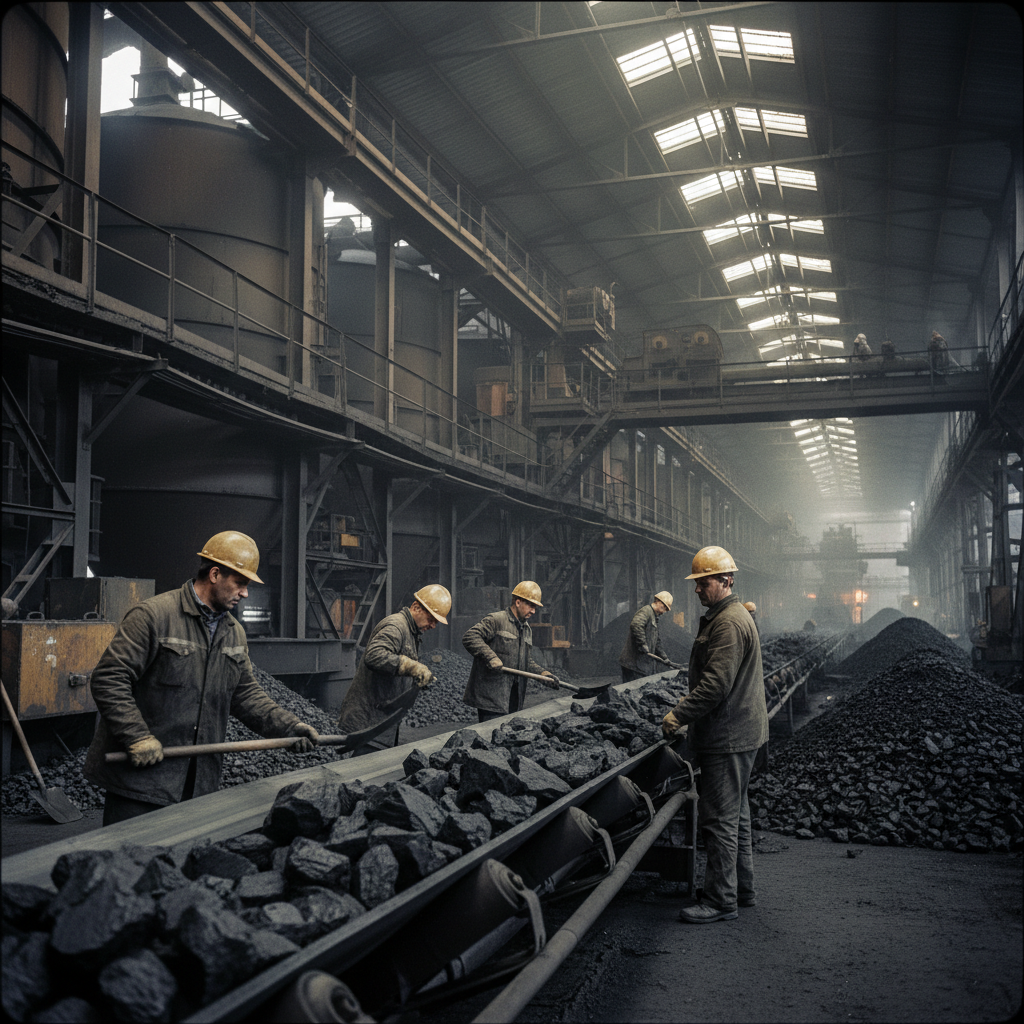
The Pit Brow Women of Wigan
They sorted coal at the surface, barred from the underground workings by the 1842 Mines Act. The photographs show them in their working dress — trousers under skirts, headcloths tight against the dust. Their names are absent from the wage books.
Census Entry, 1851
"Martha Baines, age 11. Occupation: Piecer. Born: Stockport." One line. One life. The 1851 census recorded 112,000 children under 13 in textile manufacture. Martha is one entry among millions.
"We started at five o'clock in the morning and we never left until the overlooker said so. I were nine years old and I thought that were just how the world was."
— Oral testimony, Thomas Hartley, 1891, collected by the Manchester Statistical Society
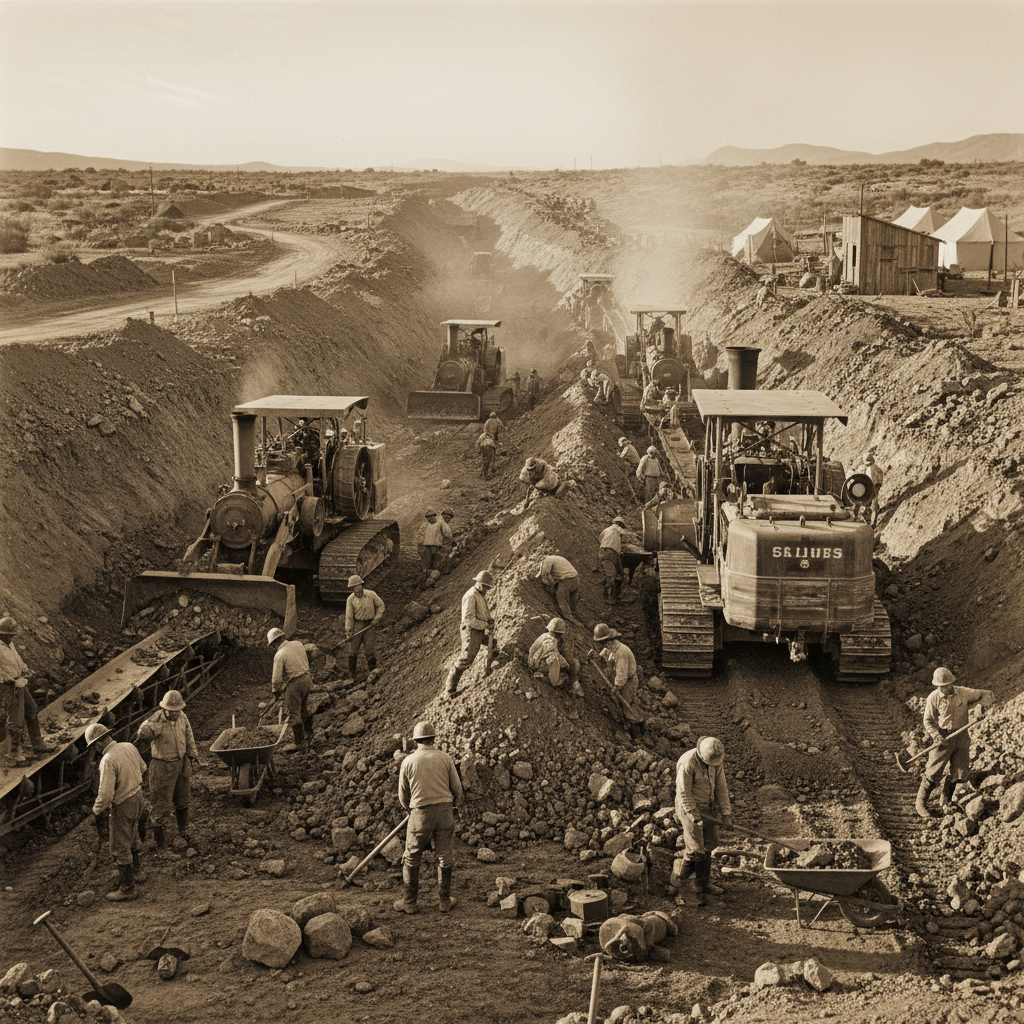
The Navvies Who Built Britain
Between 1830 and 1870, an estimated 250,000 navigators cut the railway network through the English countryside. Irish, English, Welsh — they lived in trackside shanties, moved with the line, and left no fixed address for any census to find.
Migration
People have always moved — pushed by hunger, pulled by rumour, carried by desperation. The records they left are partial. The stories they carried with them were rarely written down.
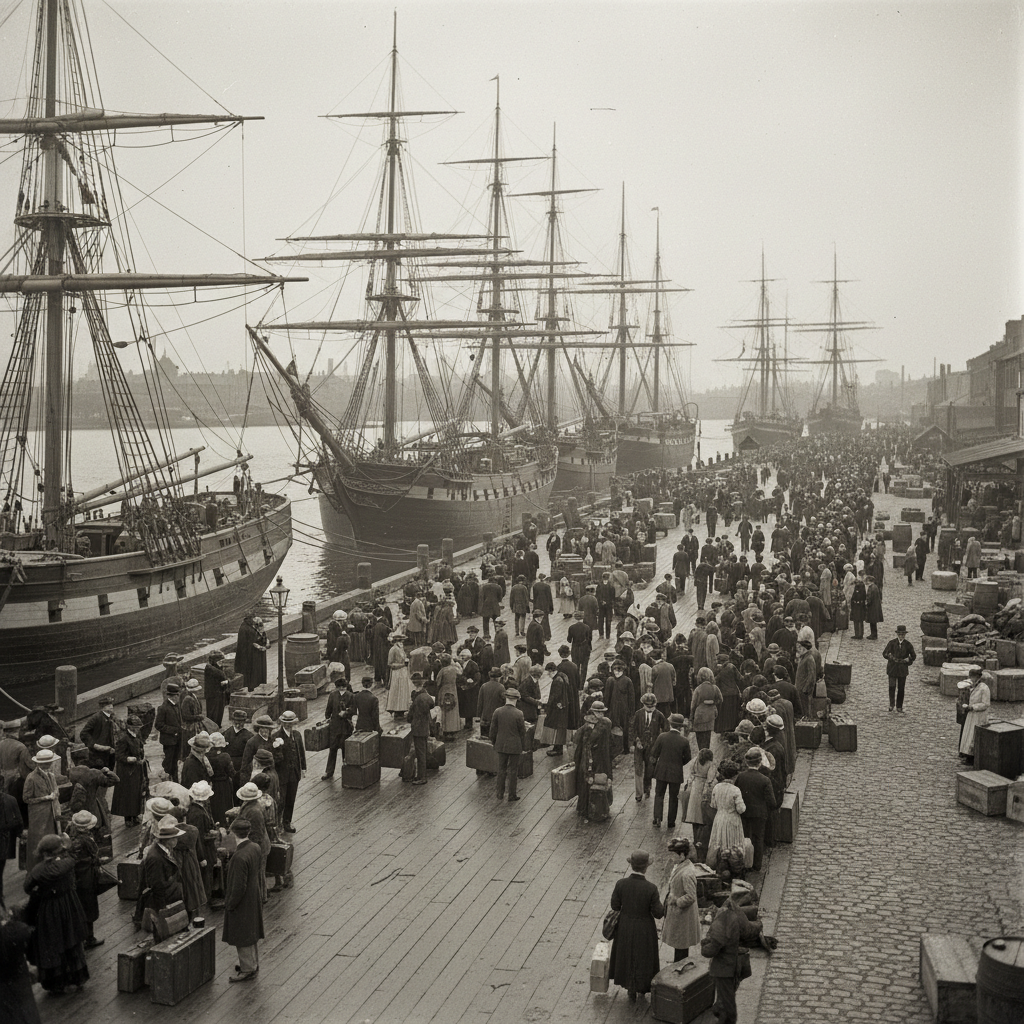
Liverpool Landing Stage, 1847
One million people left Ireland during the Famine years. The Liverpool landing stage was the first English soil many touched. Many stayed — too weak, too poor to continue to America. They became the Irish quarter of every northern city.
The Huguenot Weavers of Spitalfields
After the revocation of the Edict of Nantes in 1685, 50,000 Huguenot refugees arrived in England. The silk-weaving streets of Spitalfields bear their names still — but their graves in the churchyard of Christ Church record only "unknown" for those who arrived without papers.
A Daughter Remembers
"My grandmother came from Galway in 1849. She never spoke about the crossing. We only found out she had a sister who didn't make it when we found the letter, folded inside the Bible, written in Irish. None of us could read it."
— Family testimony, submitted by Bridget Callahan, Salford, 2019
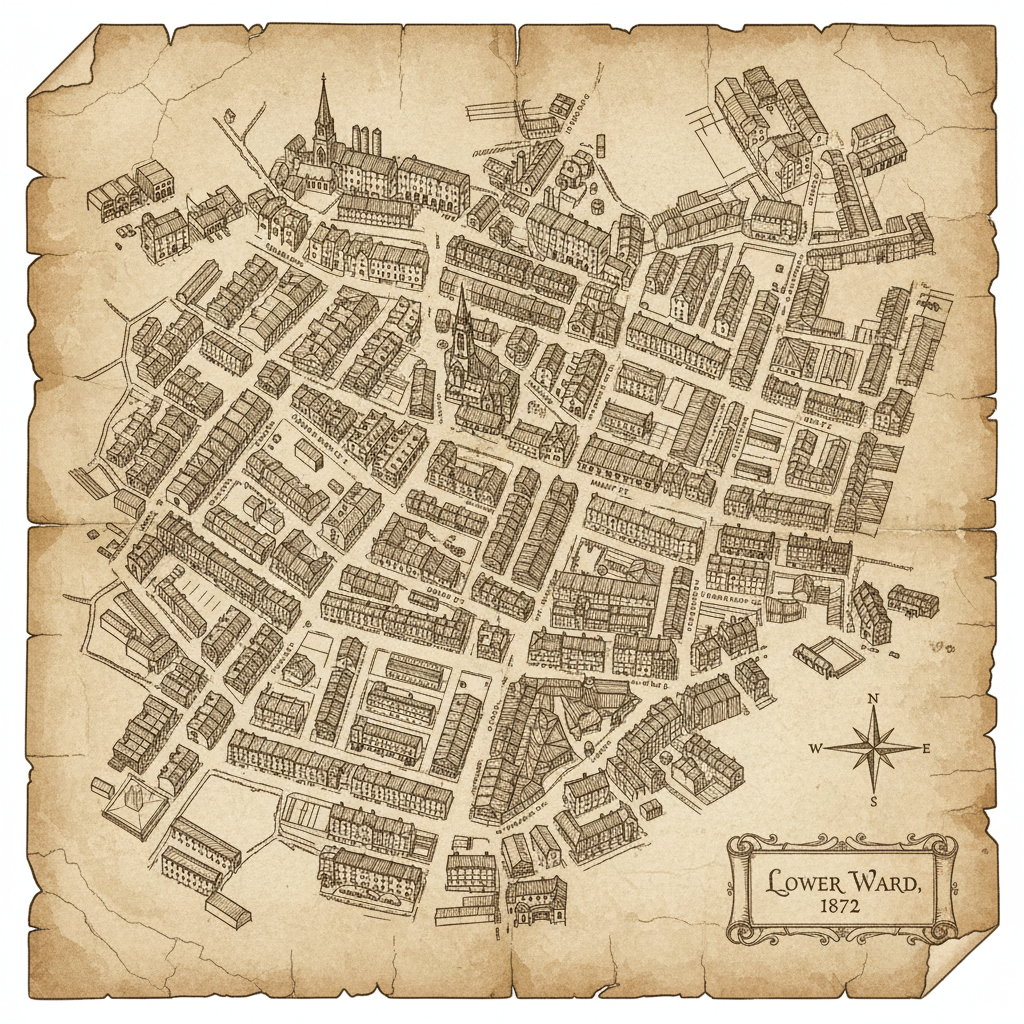
The Cholera Routes, 1832
Cholera entered Britain through Sunderland in October 1831, carried along the same trade routes that brought prosperity. By 1832 it had reached London. The disease found its worst expression in the courts and alleys where migrants crowded — Bermondsey, St Giles, the Gorbals.
Domestic Life
The interior world — the kitchen, the court, the back-to-back — was the arena of most lives. It was also the least documented. We piece it together from household accounts, oral testimony, and the archaeology of ordinary objects.
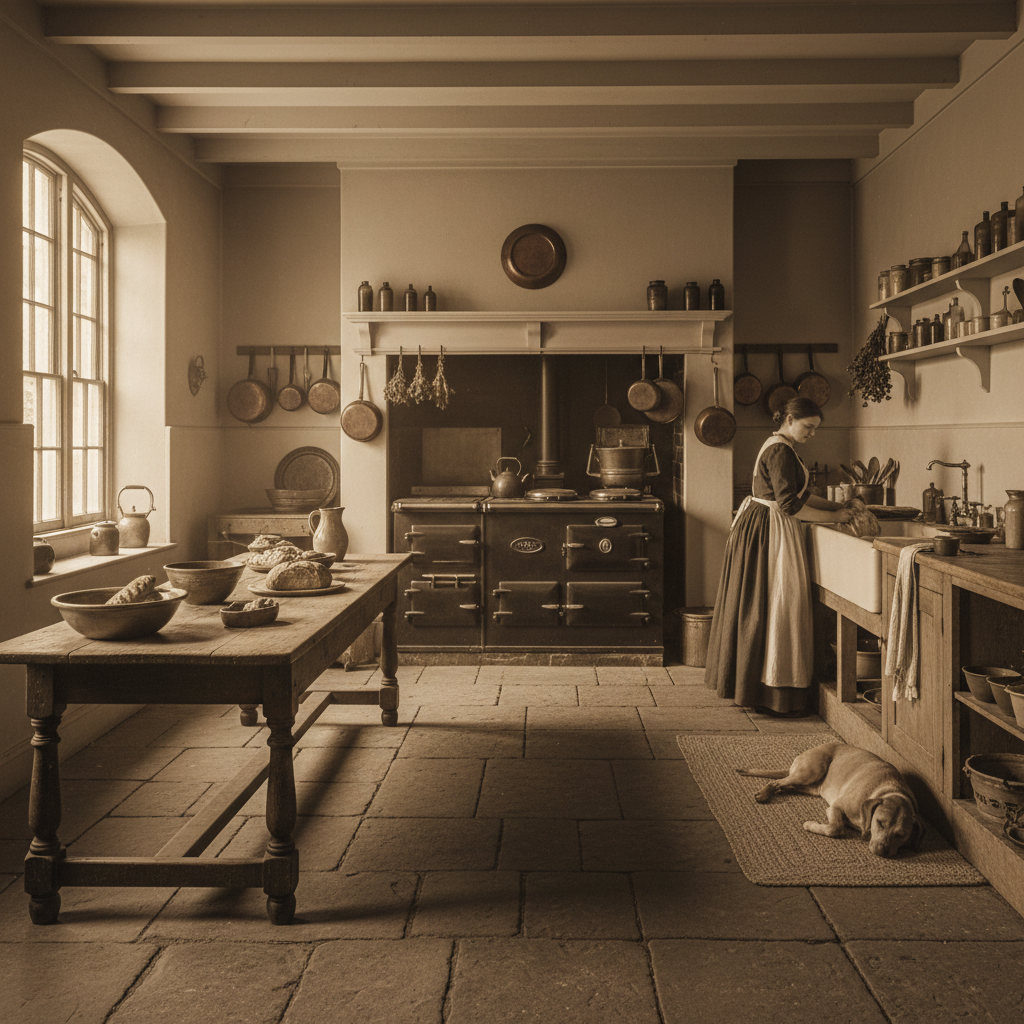
The Scullery Maid's Day
She rose at five-thirty to black the range before the family woke. Her name appears in the household account book only as "girl" — her wage, two shillings and sixpence per week, recorded beside the coal merchant's bill. The 1901 census lists 1.4 million women in domestic service.
"The house was never silent, but we were. You learned not to be heard. The bells rang and you came. That was the whole of it."
— Oral testimony, Agnes Whitmore, former parlour maid, interviewed 1962
Back-to-Back Housing, Leeds 1871
In one court off Kirkgate, the 1871 census recorded 47 individuals in 11 dwellings sharing one standpipe and one privy. Occupations: cloth finisher, hawker, laundress, ragpicker, "no stated occupation." Three households listed no surname — only first names and ages.
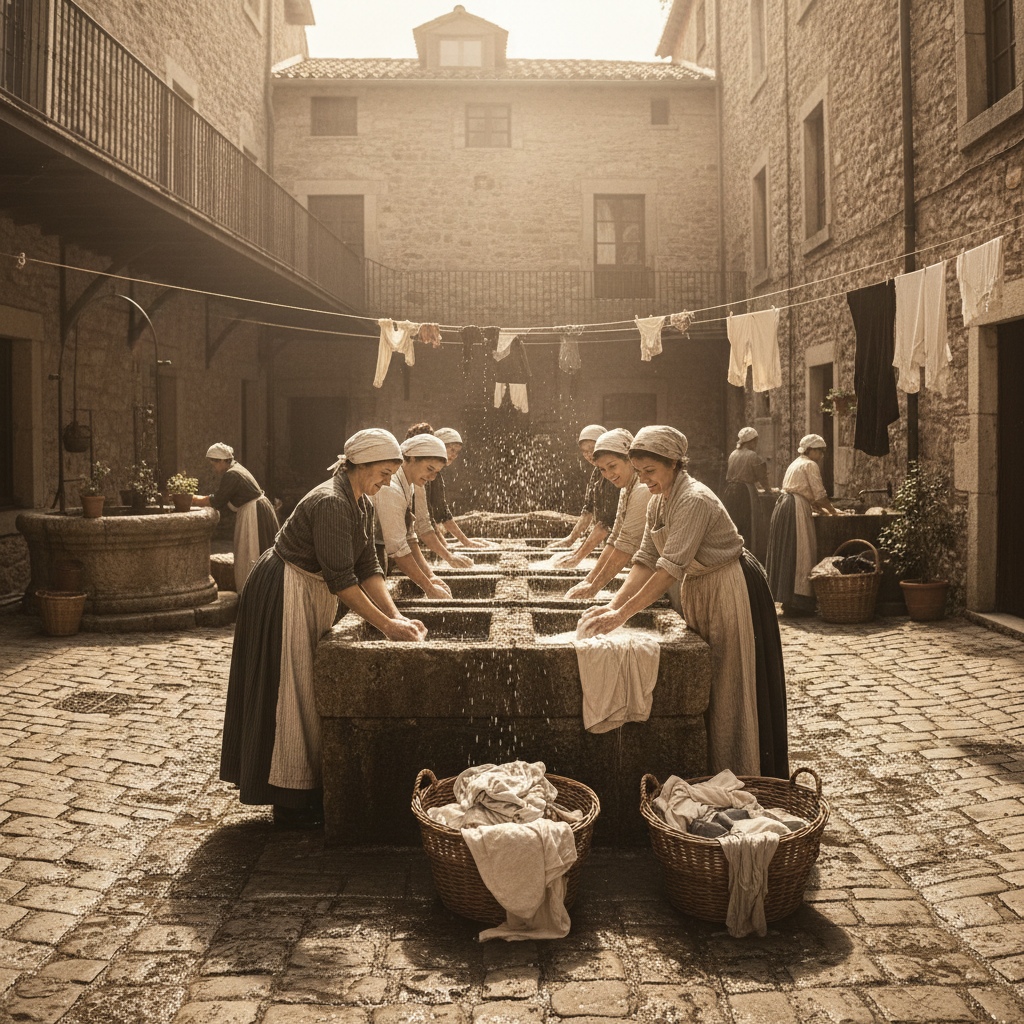
Washday
Monday was washday in every street. The copper boiled from dawn. Women took in neighbours' washing at threepence a bundle. The smell of wet wool and lye soap was the smell of Monday — a scent that retired laundress Edna Bradshaw, now 94, still recognises instantly.
Conflict
Conflict shapes the record — and also destroys it. The official history of war records strategy and commanders. The unofficial history records what it felt like to be at the bottom of the hierarchy when the violence came.

Conscription and the Silence After
The Derby Scheme of 1915 asked men to attest willingness to serve. Parish records show 84% of eligible men in Burnley attested. The lists of those who did not — the conscientious objectors, the medically unfit, the reserved occupations — have never been systematically digitised.
The Peterloo Witness
"I was pressed so hard against the wall I could not breathe. The horses came through the crowd and I saw a woman fall and no one could reach her. I have never spoken of it since that day. I am speaking now because I am old and someone should know."
— Statement of Samuel Ogden, weaver, recorded 1835. Manchester Central Library, L/1/3/7
The Widows' Column
The 1921 census introduced a new column: "Widow of man killed in the War." In the village of Haworth, 23 of the 87 households returned this entry. The children's column records ages beginning at two — born after their fathers left and before they knew what leaving meant.
What the Data Leaves Behind
Statistics cannot restore a life. But they can show the shape of a world — and who bore the weight of it.
Weekly Wages in Lancashire, 1815–1840
Handloom weavers (declining) vs. power-loom operatives (rising). In shillings per week.
Source: G.H. Wood, "History of Wages in the Cotton Trade" (1910). Compiled from Factory Inspector reports.
Cholera Deaths, 1831–1832
Selected districts. Deaths correlate with overcrowding and lack of clean water.
Source: Registrar General's Reports. The dead were disproportionately poor.
The Hartley Line
Three generations. Every ? represents a record that does not exist.
Thomas Hartley
1792–1867
Mary (née ?) Hartley
1795–?
James Hartley
1818–1881
Sarah Hartley
1820–?
William Hartley
1845–1916
?
unknown
14,200
Stories recovered
and growing
847
Census records digitised
this year
3,400
Readers contributing
testimonies
1,100
Families reunited
with their history
Discover Your History Type
Five questions. No right answers. The quiz will tell you whether you are an Archivist, a Storyteller, a Detective, or a Witness — and send you straight to the stories that will mean most to you.
Takes about 3 minutes. Your result includes a curated reading list.
Four Ways of Knowing the Past
Every reader comes to history differently. Chronicle is built for all of them.
The Archivist
Patient with microfilm. Comfortable with silence. You believe the record is everything — and you are right.
"I have spent thirty years in the Wigan Record Office. I have never once felt I was wasting my time."
— Derek Ashworth, retired librarian, Wigan
The Storyteller
You make the past breathe. You understand that facts without feeling are merely data.
"My grandmother told me about the mill. I went looking for the mill. I found the whole street."
— Pauline Okafor, secondary school teacher, Bradford
The Detective
Every gap is a clue. You read official documents against the grain. You will not rest.
"The absence of a record is itself evidence. Once you understand that, everything opens up."
— Siobhán Gallagher, amateur genealogist, Manchester
The Witness
You hold what others have forgotten. Living memory is itself a primary source.
"I remember the hooter at the factory. I was seven. I came here to make sure someone else remembered too."
— Arthur Nkrumah, retired engineer, Oldham
"Not sure which one you are?"
Take the quiz to find out